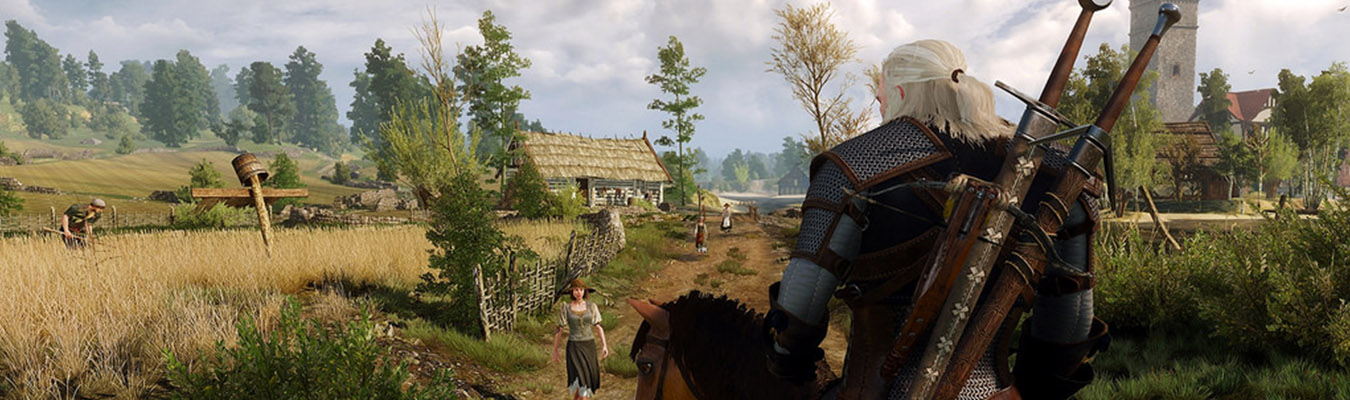
After a mesmerizing and striking story of betrayal and clandestine affairs that kept the fans of Witcher 2: Assassin of Kings completely awestruck, its successor, The Witcher 3 starts more on a gentler note following the events from the previous version — with a revamped combat system and enhanced magical powers. The game developed by CD Projekt RED offers an enthralling 100+ hours of action-mixed role-playing in a vast world of lush green rolling fields with sporadic village houses and farms in a full day/night cycle, ending the story of Geralt of Rivia on a higher note.
The game is set directly after the events of The Witcher 2: Assassin of Kings, where the protagonist Geralt of Rivia — known as The Witcher — is on a mission to find his long-lost love, the sorceress Yennefer of Vengerberg, and their adopted daughter Ciri, who was trained to be a Witcher since childhood under the guidance of Vesemir. The entire story revolves around Geralt carrying out tasks for several characters in exchange for information on Ciri's whereabouts, as she is hunted by the Wild Hunt — also known as The Phantom Army. The story at times becomes grinding owing to occasional lackey tasks, but this is effectively counter-balanced by an immaculate combat system and an exhilarating RPG mechanics.
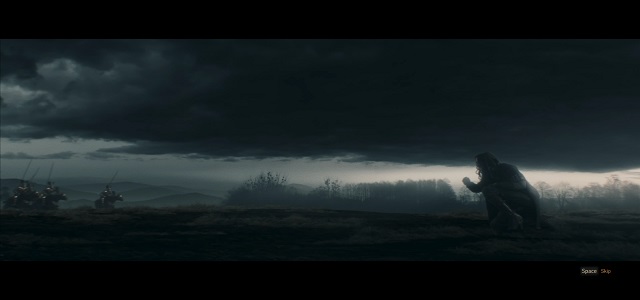
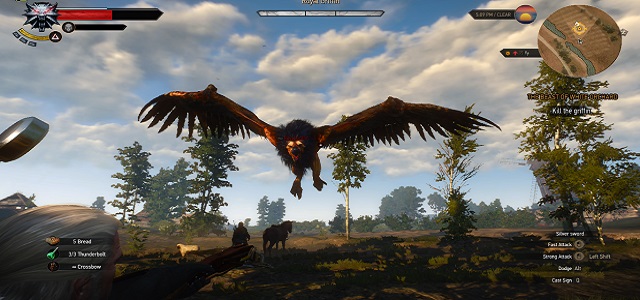
The game has a vast world with a small minimap at the top — without which one would feel completely lost. Most of the world map stretches across long verdant fields with scenic vistas, small townships, rivers and farmlands. Travel modes include foot, horseback or sailing on boats, with an additional fast-travel system similar to Assassin's Creed. The brutal and responsive combat system is enriched with excellent dynamics and camera angles, plus a new ability to lock onto enemies. Swords can be chosen depending on the type of enemy. The use of magical signs, parrying and counter skills makes every fight endlessly satisfying. Even crossbows are part of the weaponry. The game features an interesting dialogue system where conversation choices genuinely shape outcomes — though unlike Mass Effect, there are no paragon or renegade points.
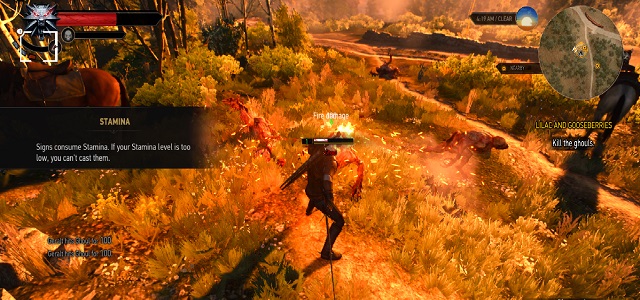
The main elements of a Witcher are the swords, signs and alchemy. The signs are brilliantly introduced here — retaining the same elemental powers of Yrden, Quen, Igni, Axii and Aard from the previous entry, but expanded. The alchemy is significantly enhanced with the ability to brew potions, prepare oils, craft bombs, perform Mutations and undergo the Trial of Grasses. The inventory includes a wealth of consumables for health regeneration (also possible through meditation) and coins for purchasing items. The map is dotted with notice boards, quest givers, alchemists, armorers, blacksmiths, grindstones and more. New features like combat on horseback and underwater diving make the world feel even more alive.
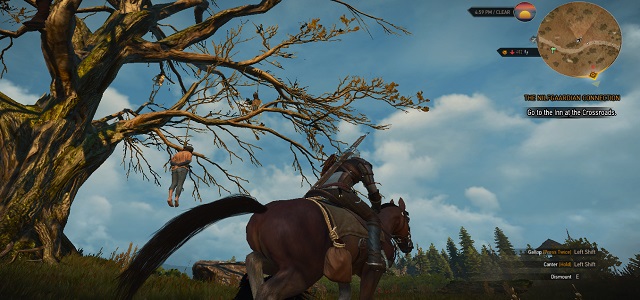
The game has some great detailing and sharp features across vast sceneries, farmlands and dense foliage — so the graphical requirements are on the higher end. The game runs at 60 fps with a GTX 980, though I was able to run it at an average of 25 fps with an AMD 7730M on low settings. Performance has been mostly stable — minimal stutters or crashes, with occasional fps drops during cutscenes and graphically intense sequences. The dynamic weather system and continuous day/night cycle are constant sources of wonder. The audio design is exceptional: calm, soothing background music accompanies daily town life, while intense orchestral scores kick in during combat and major battles. The dialogue system is meticulously crafted, with conversational options that can trigger arguments, end conversations, start games or make purchases.
Gwent: The Card Game Within a Game
Gwent is a brilliant addition to the Witcher universe — a collectible card game found at locations throughout the world, simulating a battle between two opposing armies on a battlefield.
- Objective: maintain a greater combined card strength than your opponent at the end of all rounds.
- Players choose from three tiers of unit cards — Close Combat, Ranged Combat and Siege Combat.
- Special weather cards possess bonus abilities that increase or decrease the strength of other unit cards.
- Gwent features 150 cards across four factions: Nilfgaard, Northern Realms, Monsters and Scoia'tael.
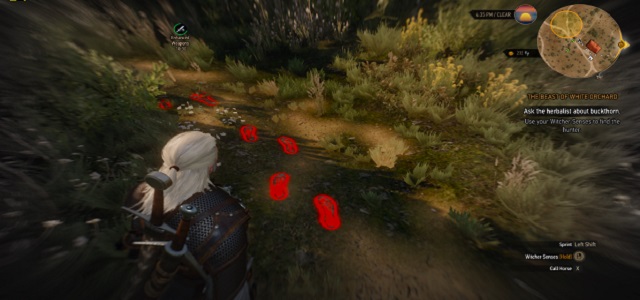
Beyond the main quest, The Witcher 3 offers a rich secondary line of side quests involving assassination contracts, political alliances and nuanced love affairs. The intimate relationship between Geralt and Yennefer is portrayed with real emotional depth throughout the story. The Witcher Sense is an incredibly useful characteristic, allowing Geralt to understand his surroundings and carry out intricate detective work. Mutagens harvested from fallen enemies can be used to gain new abilities or brewed into potions for additional combat strength. Alchemy formulae are scattered across every corner of the map. The game truly earns its 100+ hours of gameplay — and even after completing it, the world still beckons.
Though the predictable and occasionally mainstream story with its main quest missions can feel slightly formulaic, the ecstatic gameplay through the vast and lush world continues to mesmerize in every way. The horse riding, engaging combat, action-packed RPG systems and the sheer volume of remarkable characters all counter the negatives of any monotonous plotting — keeping players at the edge of their seats for well over a hundred hours. This is CD Projekt RED's finest achievement and one of gaming's true masterpieces.